The Rise of the Solo-Commerce Entrepreneur
For years, launching an online store felt like scaling a mountain. You needed a developer, a designer, a marketing guru, and a whole team just to get a basic e-commerce site up and running. The cost was astronomical, and the technical hurdles were daunting. But times are changing. Solo-commerce – selling products directly to consumers without a traditional brick-and-mortar store – is exploding, and it’s becoming increasingly accessible to anyone with a product idea and a passion.
The Problem with Traditional E-commerce
Let’s be honest, the old e-commerce model is expensive. Shopify, while a great platform, still requires monthly fees, transaction costs, and often, the need for add-ons and integrations. Hiring a developer to customize your store, add complex features, or handle technical issues can quickly drain your budget. And let’s not even talk about the ongoing maintenance and security updates!
Why Solo-commerce is Changing Everything
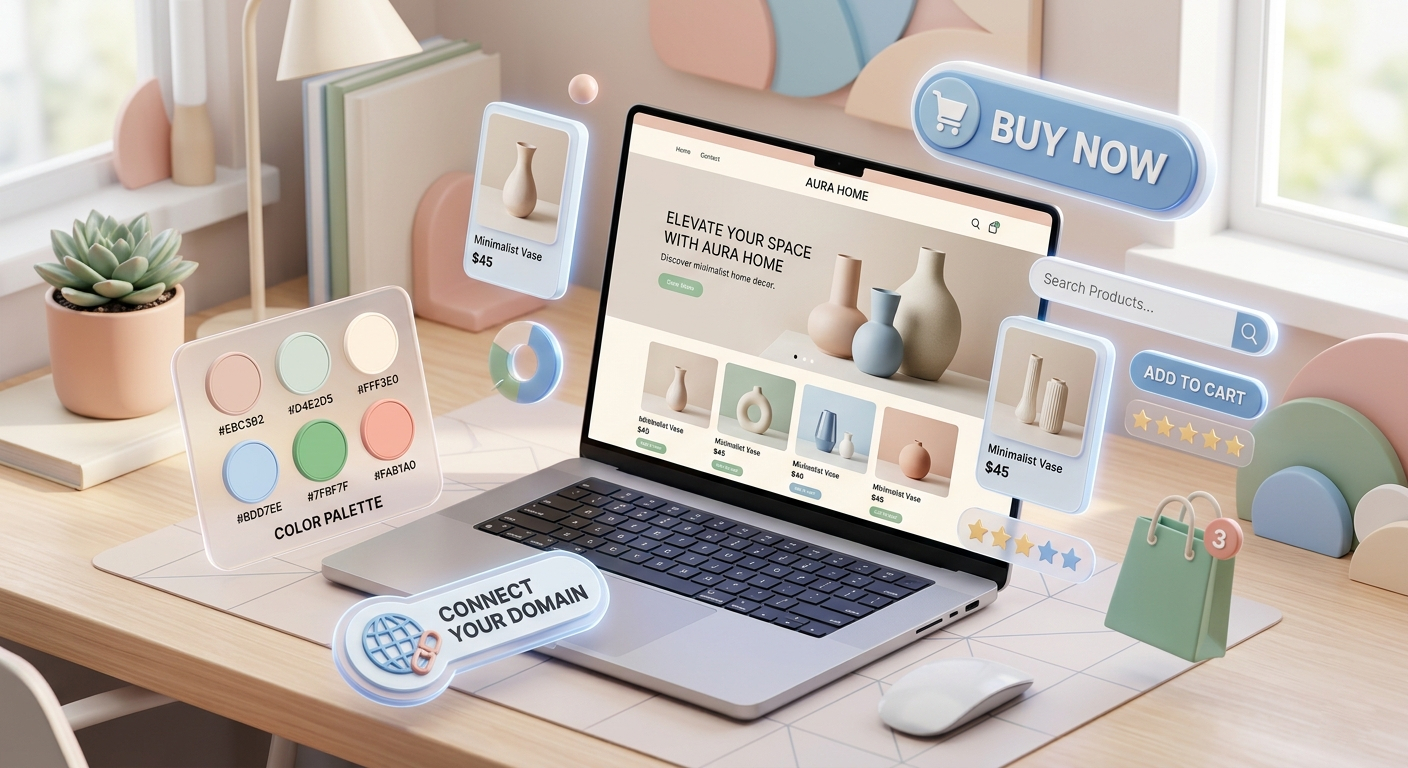
Solo-commerce platforms are built for the independent entrepreneur. They offer user-friendly interfaces, drag-and-drop builders, and pre-built templates that allow you to create a professional-looking online store without writing a single line of code. These platforms focus on the core elements of selling – product listings, payment processing, shipping integrations, and customer communication – making the entire process significantly simpler and more affordable.
Key Platforms Powering Solo-commerce
- Shopify: Still the market leader, Shopify offers a robust ecosystem of apps and themes, making it easy to add functionality to your store.
- Etsy: A fantastic starting point for handmade and vintage goods, Etsy provides a built-in marketplace and a loyal customer base.
- Squarespace: Known for its beautiful design templates, Squarespace is a great option for visually-driven brands.
- Wix: Wix’s drag-and-drop editor is incredibly intuitive, making it perfect for beginners.
Don’t Be Intimidated by Tech
The biggest misconception is that you need to be a tech wizard to launch a successful online store. Most solo-commerce platforms are designed to be incredibly intuitive. Tutorials, documentation, and customer support are readily available. Many features are available through simple point-and-click interfaces. You can learn as you go, and don’t be afraid to experiment!
Focus on What You Do Best: Your Product and Brand
Instead of spending your time and money on complex coding or technical support, focus on what you do best: creating a great product, building your brand, and connecting with your customers. These platforms handle the technical aspects, allowing you to concentrate on the core elements of your business.
The Future is Accessible
The future of e-commerce is democratized. Solo-commerce is empowering entrepreneurs from all backgrounds to launch their brands and reach a global audience. With the right platform and a little effort, you don’t need a developer to succeed. It’s about building a business around your passion, not wrestling with code.
Ready to start your solo-commerce journey? Explore the platforms mentioned above and find the one that best suits your needs. Don’t let technical barriers hold you back – the world is waiting for your product!