
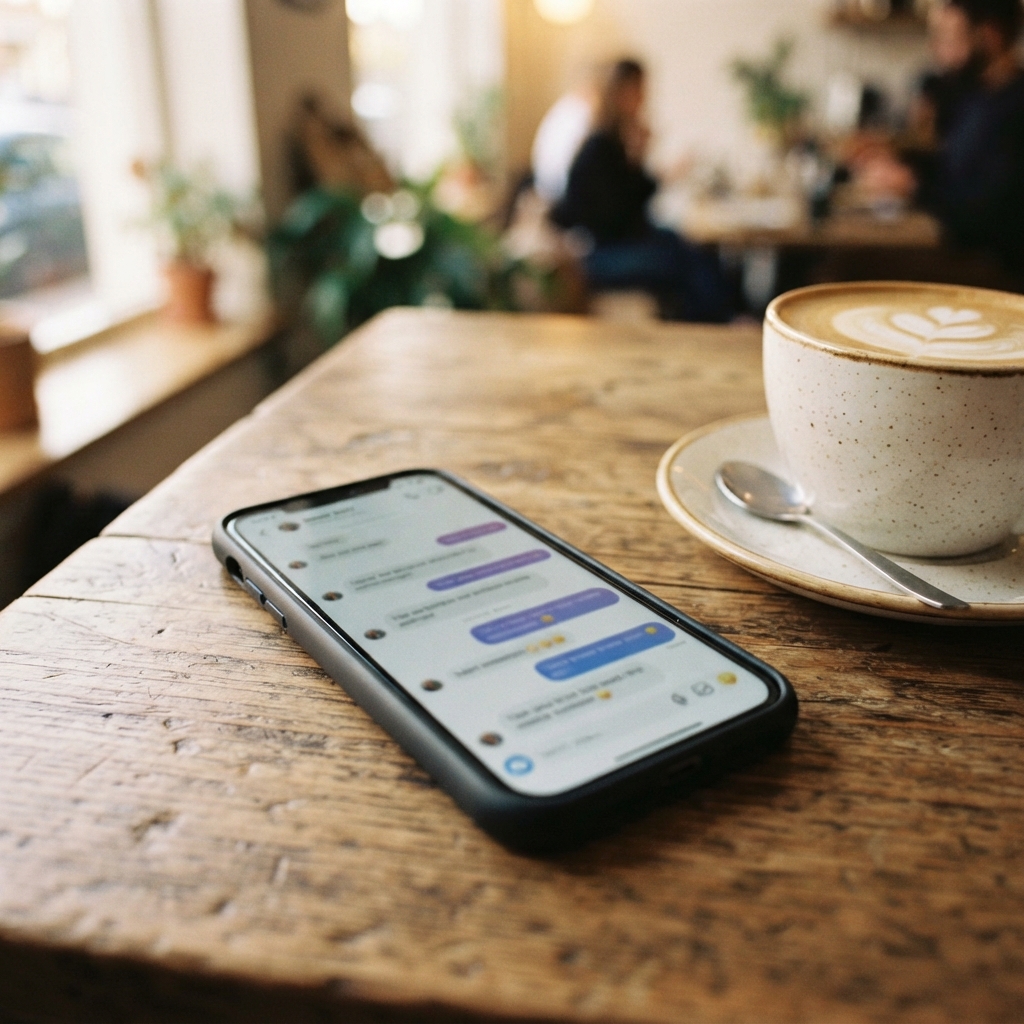
The Banglish barrier occurs when businesses lose sales because their systems cannot understand the informal mix of Bangla and English used in chat commerce. To stop this leak, you must move from manual chat triage to an AI-driven order desk that processes colloquial language in real time.
Why the Banglish barrier exists
Most traditional CRM and chatbot tools are built on rigid linguistic rules. They expect a customer to speak either perfect English or formal Bangla. However, the reality of social commerce is fluid. Customers use Romanized Bangla, shorthand, and a blended dialect to communicate urgency and preference.
When a customer writes "Price koto?" or "Delivery ki possible?", a standard bot sees a syntax error. A human agent sees a lead. The friction happens because there is a massive gap between how people actually talk and how business software is programmed to listen.
The operational cost of manual translation
When your systems cannot handle Banglish, the burden falls entirely on your staff. This creates three specific operational bottlenecks:
• High response latency: Agents must manually parse messy chats, leading to longer wait times. In chat commerce, a ten-minute delay often results in the customer messaging a competitor.
• Order entry errors: Because orders are buried in a chat scroll, agents often mistype addresses or quantities when transferring data to a spreadsheet. This leads to expensive shipping mistakes and customer frustration.
• Mental fatigue: Constantly switching between languages and manual data entry drains your team. This fatigue increases the likelihood of missed messages during peak hours or late-night surges.
How to fix the Banglish barrier today
Eliminating this friction requires a shift toward semantic understanding rather than keyword matching. Here are the steps to stabilize your chat pipeline:
First, audit your most common "mixed" phrases. Identify the top ten ways your customers ask about pricing, shipping, and availability in Banglish.
Second, implement a system that treats the conversation as the primary record. Instead of treating the chat as a precursor to an order form, the chat should become the order. This removes the need for a human to "translate" the conversation into a database entry.
Third, centralize your inputs. If you are managing WhatsApp, Messenger, and website chats separately, you are multiplying the Banglish barrier by three. Bringing these into a single inbox allows you to apply a consistent linguistic logic across all channels.
Signs your chat process is improving
You can track the success of these changes through two primary metrics. First, monitor your Lead-to-Order Velocity. This is the time elapsed from the first "Price koto?" to the final order confirmation. A decrease in this window indicates that the linguistic barrier is no longer slowing down the transaction.
Second, track your After-Hours Conversion Rate. If you see a spike in completed orders occurring between 11 PM and 8 AM, it proves that your system is successfully handling customer inquiries without requiring a human agent to wake up and translate the chat.
When a simple chatbot is enough
An AI-driven order desk is necessary for businesses scaling their volume, but it may be overkill for those with a very narrow product range. If you sell a single digital product with a fixed price and a standard checkout link, a basic auto-responder pointing to a landing page is sufficient. The Banglish barrier only becomes a critical business risk when you handle variable orders, custom addresses, and frequent product inquiries that require nuanced understanding.
OrderPilot provides an AI order desk and CRM specifically designed for businesses that sell over chat.
Focus on reducing the distance between a customer’s question and your order confirmation.
#ChatCommerce #Banglish #OrderManagement

Leave a Reply